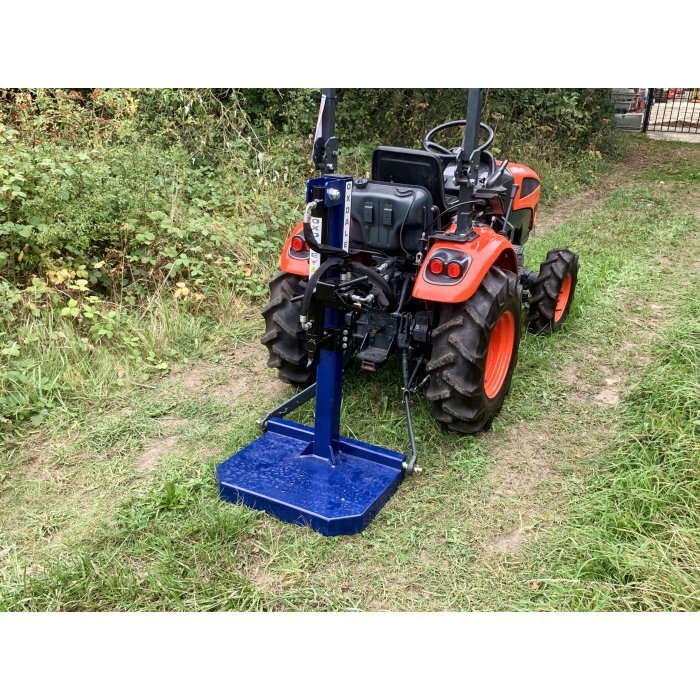
Log Splitter Maintenance: How to Save Yourself Money in the Long-Term
BY OXDALE PRODUCTS
When it comes to log splitters and major failures, they often start as small, visible issues that go overlooked or are not spotted early enough. This is why we champion regular inspections of your machinery as well as routine maintenance when we supply our log splitters to farmers and agriculturalists across the UK.
Here at Oxdale Products, we have been manufacturing, servicing and repairing log splitters for more than 20 years, so we have seen our fair share of telltale signs. This blog will focus on the real causes of premature wear. The bits that will help you save considerable money in the long run by reducing the chances of a major fix or service.
Log Splitter Maintenance: How to Save Yourself Money in the Long-Term 2
The Maintenance Problems We See Most Often
Our servicing and repairs team often encounters recurring problems, such as low hydraulic oil, damaged hoses, debris buildup around guides, and incorrect oil being added. While some of them can be attributed to natural wear and tear from usage, the rate at which they appear after a service can be due to how they were treated during usage.
The impact of these problems can be reduced by taking care of how the splitter is used and stored when not in use. For example, incorporating a regular cleaning of your splitter after use can quickly prevent debris buildup. Additionally, parts damaged by the weather can be easily avoided if stored in a dry area raised off the ground. Our team commonly sees the impact of a splitter being left in the wet or uncovered first when carrying out an inspection.
Why Hydraulic Oil Problems Are Often Misdiagnosed
All too often, we hear of people complaining about their log splitter operating slowly or in a jerky movement, and then topping up the oil because this is what has worked in the past. The reality is that these signs do not always suggest that hydraulic oil is the issue.
Low oil can cause performance issues, but so can contaminated or foamy oil, leaks, incorrect oil, or faults with the pump or control valve.
Start with the basics: check the oil level, inspect hoses and fittings for leaks, and look at the oil condition. If it appears cloudy, unusually dark or foamy, there may be a wider issue.
If the oil level is correct but performance problems continue, stop using the machine and investigate further. For Oxdale models, always follow the hydraulic oil specification and servicing guidance for your specific machine.
The Small Hose Damage That Should Not Be Ignored
Hydraulic hoses work under high pressure, so even a small area of damage can become a bigger problem if it is left unchecked. Cracks, rubbing marks, bulges or damaged fittings can all weaken the hose and increase the risk of leaks or failure.
Make hose checks part of your regular maintenance routine, paying particular attention to areas where hoses bend, rub against the frame or connect to fittings. Never use your hand to check for a pressurised leak, as escaping hydraulic fluid can cause serious injury.
If a hose is leaking, badly abraded, bulging or has exposed reinforcement, it should be replaced rather than simply monitored. If you are unsure whether a hose is still safe to use, contact Oxdale support or check the correct replacement parts for your machine.
How Usage Changes the Maintenance a Splitter Needs
Wear and tear from general usage is normal and should be expected. But it is important to know how to spot what is expected and what isn’t.
Occasional Domestic Use
If only using your splitter occasionally for domestic use, your maintenance should focus on storing the splitter correctly, minimising its exposure to moisture, and regularly replacing any ageing fuel that might be sitting in the splitter for an extended period. Most deterioration occurs when the machine is sat idle.
Frequent Agricultural or Forestry Use
For regular agricultural or forestry use, operating hours should be used as a guideline for the sort of maintenance you can expect to need. Hose wear, fluid condition, pins, and fasteners should always be regularly checked for irregularities or damage. Natural wear and stress will be visible on some parts as repeated heavy loads impact the machine’s components. We recommend keeping a simple maintenance record instead of relying on memory.
What Owners Can Maintain Themselves
There are a handful of things you can do as a log splitter owner to maintain your machine. What can be done is mostly inspections and prevention tasks. This is due to the importance of safety when operating a machine like a log splitter.
Maintenance you can carry out without taking it to a specialist:
Cleaning debris from the machine.
Visual hose and fitting inspections.
Checking approved fluid levels.
Checking fasteners and retaining pins.
Inspecting guards and controls.
Dry, ventilated storage.
Following the manual-approved lubrication points.
When to Stop Using the Machine
Warning signs of a machine that should be stopped immediately are:
Repeated hydraulic oil loss
Bulging or leaking hoses
Reduced splitting force
Jerky ram movement
Sticking controls
New pump noises
Cracked welds
Damaged safety controls
Fuel or electrical faults
What Good Storage Prevents
Moisture can affect exposed steel, causing rust, which then compromises the safety of your machine. Exposure to moisture can also cause electrical connections and hydraulic fittings to deteriorate, which is why storage is critical.
By storing in a dry, elevated place, you reduce the chances of your machine becoming compromised by exposure to moisture. It is also worth noting that tightly wrapped, non-breathable covers may have the opposite effect of what you want, instead trapping condensation and doing more harm than good.
Oxdale’s Practical Maintenance Checklist
Use this practical checklist as a quick reference guide for your log splitter maintenance.
Before Use
Before using your splitter, inspect hoses, fittings, pins, guards and controls for any signs of leaks or damage. Ensure the machine is stable and correctly connected.
After Use
Once you have completed your log splitting, ensure you carry out a thorough clean, removing any bark, sap or debris. Be sure to dry any areas that are exposed and may have come into contact with residue. At this stage, carry out a quick check over components for any signs of damage that may have occurred during usage.
Before Storage
Before you put your log splitter away, check the fluid condition and prepare the engine or power system for storage. This includes protecting exposed components and keeping the machine in a ventilated, covered location.
Frequently Asked Questions
What Is the Most Common Log Splitter Maintenance Mistake?
Either inadequate storage or debris buildup is one of the most common mistakes we see in our repair workshop.
Can I Replace a Hydraulic Hose Myself?
Due to the importance and potential safety concerns associated with any hydraulics, we recommend bringing the splitter into a trusted agricultural servicing workshop.
How Should I Maintain a Log Splitter That Is Used Infrequently?
For an infrequently used log splitter, you should focus on minimising deterioration. This means storing it correctly and carrying out thorough checks before and after use if it is going to sit idle for some time.
When Is a Log Splitter No Longer Economical to Repair?
You should consider getting a new log splitter when you see signs of structural damage or are dealing with persistent machine failure. Repeatedly replacing parts cannot only be expensive but also challenging to source.
Keep Small Problems From Becoming Expensive Repairs
Keeping a simple maintenance guide, regardless of how often you use your splitter, can help you save money on repairs in the long run. Spotting signs of wear and tear before they become bigger issues is the key to reduced downtime and consistent splitting.
The Oxdale team is always on hand to advise you on repairs and servicing of your splitter, so just get in touch if you have any questions.
To provide the best experiences, we use technologies like cookies to store and/or access device information. Consenting to these technologies will allow us to process data such as browsing behavior or unique IDs on this site. Not consenting or withdrawing consent, may adversely affect certain features and functions.
Functional
Always active
The technical storage or access is strictly necessary for the legitimate purpose of enabling the use of a specific service explicitly requested by the subscriber or user, or for the sole purpose of carrying out the transmission of a communication over an electronic communications network.
Preferences
The technical storage or access is necessary for the legitimate purpose of storing preferences that are not requested by the subscriber or user.
Statistics
The technical storage or access that is used exclusively for statistical purposes.The technical storage or access that is used exclusively for anonymous statistical purposes. Without a subpoena, voluntary compliance on the part of your Internet Service Provider, or additional records from a third party, information stored or retrieved for this purpose alone cannot usually be used to identify you.
Marketing
The technical storage or access is required to create user profiles to send advertising, or to track the user on a website or across several websites for similar marketing purposes.